加州杓蘭Cypripedium californicum A.Gray 1868
杓蘭屬 · Californica 單型組 · 美國西部特有種


orchidmart.ca/blogs/caresheet
orchidmart.ca/blogs/caresheet
| @390m | 1 | 2 | 3 | 4 | 5 | 6 | 7 | 8 | 9 | 10 | 11 | 12 |
|---|---|---|---|---|---|---|---|---|---|---|---|---|
| 日溫 | 9 | 11 | 14 | 18 | 23 | 28 | 33 | 32 | 28 | 20 | 13 | 9 |
| 夜溫 | 0 | 1 | 3 | 5 | 7 | 9 | 11 | 10 | 8 | 5 | 2 | 0 |
- 一百五十多年沒改過的學名:1868 年美國植物學家 Asa Gray 根據 Bolander 在加州門多西諾郡 Red Mountain 沼澤採得的標本發表,種小名意指「加州的」。與屬內許多種不同,本種自發表以來從未被降級為變種或併入他種,POWO 也未列出任何異名——在分類史動盪的杓蘭屬中相當罕見。
- 親緣關係的意外真相:純白色的唇瓣容易讓人聯想北美東部的皇后杓蘭(C. reginae)或白花杓蘭(C. candidum),但 2024 年的分子親緣研究顯示,californicum 其實自成單型的 Californica 組,親緣關係最近的反而是東亞的 japonicum–formosanum 一群(包括本店另一篇養護指南的主角台灣喜普鞋蘭)與 C. fasciolatum。白色是趨同演化的結果,不是共同祖先。目前查證到至少一個以本種為親本的登錄雜交——Cypripedium Lettika(californicum × macranthos,F. Schmidt 登錄於 2014 年 RHS 名錄),RHS 名錄未能逐字母窮盡查證,不排除仍有其他;此雜交店內目前未販售。市面上名稱聽起來相關的品項務必逐一到 RHS 名錄核實親本,切勿憑名字聯想血緣。
- 最容易踩的兩個坑:原生地空氣其實很熱,讓人誤以為本種耐熱,但真正決定死活的是根區溫度——盆土過熱、積水悶根是最常見死因,氣溫本身不是問題所在。另外,蛇紋岩土壤雖偏鹼,但鹼性來自鎂而非鈣,若照搬「北美杓蘭加石灰」的通則替本種補鈣,方向恰好是錯的。
The Slipper That Wants a Hot Afternoon and a Cold FootCypripedium californicum — Full Care Guide
Tap the 🔊 beside any heading to listen to that section.
Most people who fail with this species fail for a reasonable reason: they read "California" and think cool coastal fog. The habitat is actually a hot, dry mountainside — with a vein of cold spring water running through it that never stops.
A collecting label from Red Mountain, 1868
In 1868 the American botanist Asa Gray described a new lady's slipper from a specimen H. N. Bolander had collected in a swamp on Red Mountain, Mendocino County, California. He named it simply for where it was found — californicum. That is, more or less, the entire naming history. Unlike its Taiwanese relative C. formosanum — demoted to a variety, folded into another species, and only reinstated eighty years later — californicum has never been treated as anything but itself. Kew's Plants of the World Online lists no synonyms at all.
A 2024 molecular study gave the species something more interesting than taxonomic stability: a family tree nobody would have guessed by eye. Its pure white pouch looks like it belongs with the eastern North American white-flowered species, C. reginae or C. candidum. It doesn't. It sits alone in its own section, Californica, and its closest relatives turn out to be East Asian — C. fasciolatum, and the japonicum–formosanum group that includes the very species this store's other care sheet covers. The white colour is convergence, not kinship.
What "hot air, cold water" actually means
The core range is the Klamath–Siskiyou mountains of southwest Oregon and northern California, with smaller outlying populations in the northern Sierra Nevada and Sonoma County. The reference town for this care sheet, Cave Junction, sits at only about 390 m and has a Mediterranean climate — hot, bone-dry summers (July daily highs average 29–33°C, with a recorded extreme of 45°C, though daily lows stay around 11°C) and mild, wet winters. That is genuinely warm daytime air for a Cypripedium.
What makes the plant possible at all is where it actually grows within that landscape: perennial seeps and fens fed by groundwater, usually over serpentine rock, where cold spring water flows across the surface most of the year — though the same field survey that describes this hydrology also notes at least one Illinois Valley site with surprisingly warm, high-pH soil, a reminder that not every population's root zone runs equally cold. It is nearly always found near the California pitcher plant, Darlingtonia californica — if you know where to look for one, you know where to look for the other, because both depend on the same permanently wet, mineral-poor, spring-fed ground. The plant itself sits on a small hummock of moss or grass so the water runs past its base without ever drowning the crown.
The species' elevation range is unusually wide for a Cypripedium — roughly 30 to 2,200 metres. Higher-elevation populations experience a genuinely colder, snowier winter than the Illinois Valley figures in this care sheet describe. Nobody has published a comparison of cold-hardiness between low- and high-elevation populations, though, and nursery stock rarely states its elevation of origin — so treat every plant, regardless of assumed provenance, by the conservative zone 6–8 figure below rather than hoping for extra hardiness.
The heat that doesn't kill it — and the heat that does
This is the single most counter-intuitive thing about the species, so it is worth stating plainly: warm air is not the problem. A warm root zone is. One experienced hobbyist grower who has cultivated it for years gives a substrate ceiling of about 18°C — a single source, offered here as a useful benchmark rather than a proven threshold — and treats anything higher as a slow path to rot; a more permissive but still useful figure, borrowed from cultivation notes for its constant companion Darlingtonia, puts the danger line at 27°C. Either way, the message is the same: the leaves can sit in full sun on a 35°C afternoon and be perfectly fine, while the same plant dies within weeks if the pot itself is baking.
In practice this means treating the container the way you would treat a spring-fed hollow: keep it out of direct afternoon sun even if the foliage above could take it, use a pale or double-potted container to reduce heat absorption, and consider a cooling technique borrowed from hot-climate slipper-orchid growers — nesting a planted pot inside a slightly larger one, with damp material between them, so evaporation from the outer pot draws heat out of the inner one.
Light: full sun to half shade, and watch for the tell
There is no published lux figure for this species — unusually, given how well others in the genus are documented — but field observers describe a wide tolerance: plants in full sun stay compact, plants in about 50% shade grow largest and flower best, and plants in deep shade stretch and thin out. That stretching, technically etiolation, is the tell that you've gone too dark. Aim for a position with morning sun and midday shade, and watch the growth habit rather than chasing a number that doesn't exist yet in the literature.
Media: mineral first, and the lime you should not add
The native soil is wet, low in phosphorus and calcium, high in magnesium and heavy metals, and has what soil scientists call a low calcium-to-magnesium ratio — the textbook description of serpentine substrate. The water running through it measures around pH 8, distinctly alkaline. That combination matters for one reason in particular: the alkalinity here is a magnesium effect, not a calcium one, which is the opposite chemistry from the classic "lime-loving" North American Cypripedium such as C. candidum. Treat this species with a dusting of garden lime, on the assumption that all North American slipper orchids want it, and you are pushing the substrate toward a mineral balance it never evolved in.
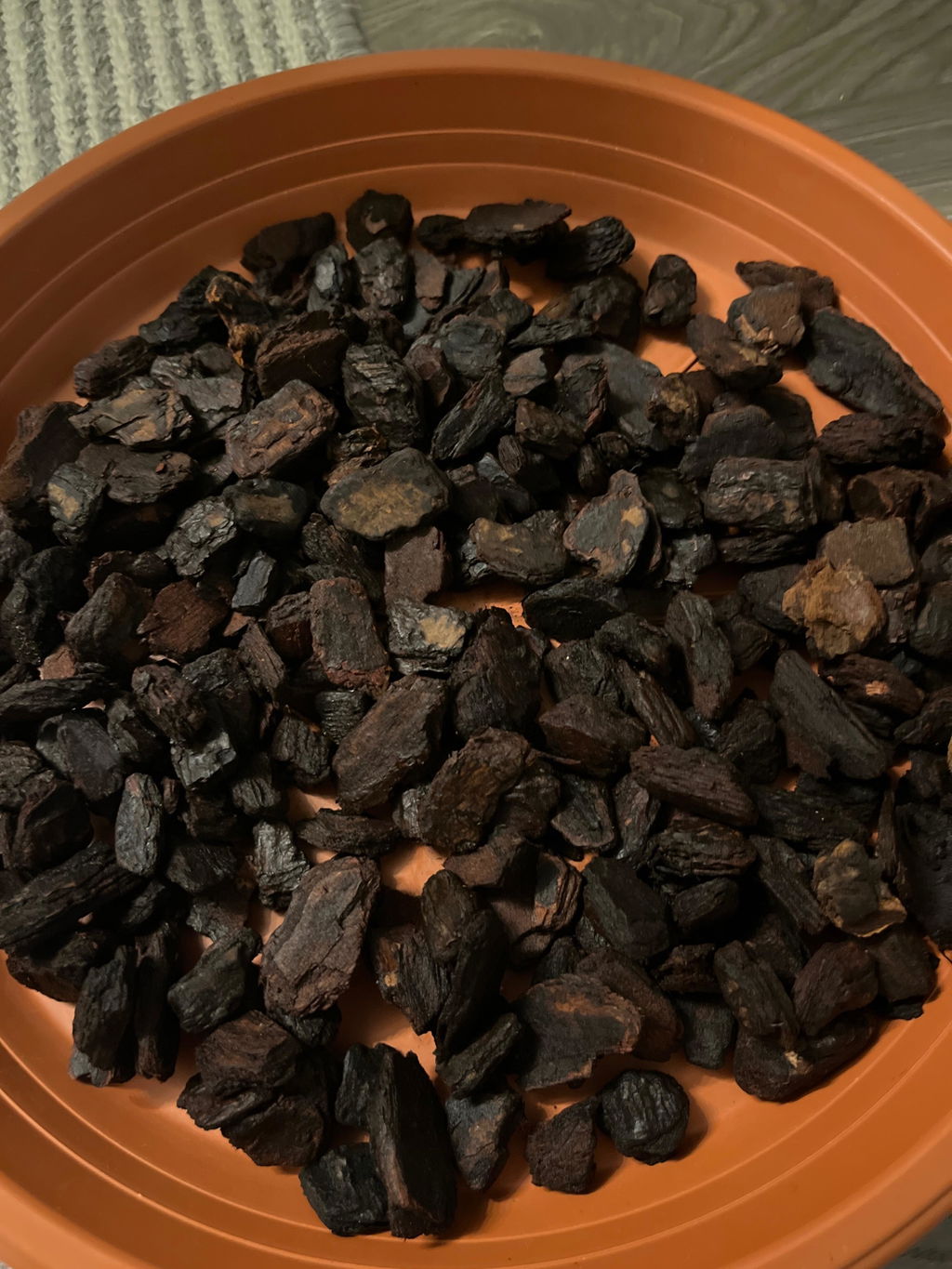
The practical answer is a mix that is at least half mineral — pumice, crushed lava rock, coarse grit — with little or no peat, aiming for something close to neutral rather than deliberately acidified or limed, since no measured pH figure has actually been published for the native soil itself. Growers report success with both a lightly organic version (well-drained bark-and-grit mix, watched for rot) and a nearly pure mineral one (straight pumice, which drains fastest but must be fed, since it has no nutrient content of its own).
Water: flowing, never still
Forget the usual orchid-growing rhythm of "water thoroughly, then let it approach dryness." This species comes from ground with water moving through it continuously, and the closest a container can come to that is frequent, generous watering rather than a soak-and-dry cycle — in hot weather, effectively daily. The one rule that cannot be broken is that the crown itself is never submerged; in the wild the plant always sits slightly proud of the water table, on a hummock built by moss or grass or a rock. Replicate that by planting the rhizome on a slight mound within the pot, or keeping any water tray well below the base of the plant. Watering early in the morning, with cool water, does double duty — moisture and a temperature check on the root zone at the same time.
Feeding: the soil that has nothing to give
Because a mineral-heavy pot mix has essentially no nutrient content of its own, this is not a species you can leave unfed the way you might a rich woodland terrestrial — but because the native ground is naturally poor in phosphorus and calcium, the operating principle is less rather than more, and nothing high in phosphorus. Through the growing season, from bud break to about mid-August, a quarter-strength balanced liquid feed every one to two weeks is enough to keep growth going without building up salts. Stop by mid-August so the rhizome has time to mature before it goes dormant.
Vernalization: the 0–5°C rule
As with every hardy Cypripedium, this is the section that decides whether the plant survives to flower again. Top growth dies back naturally in autumn — the plant looks dead, and it is not. What it needs next is an uninterrupted cold period of at least three months between 0 and 5°C; break that period short, or let the rhizome warm up partway through, and next spring's growth comes weaker, or fails to appear at all. Through that same dormancy the medium needs to stay lightly moist — a rhizome left bone dry all winter shrivels, and one left standing in water rots, exactly as it would in the growing season.
For most of Canada this is the easy part of the plant's requirements — the hard part is protecting a hardiness estimate that only reaches USDA zone 6–8 (some retail listings claim zone 4–5, but no cited source supports that, so treat it with caution) through the coldest weeks, and shading the pot from summer heat the rest of the year.
The truth about fragrance
Every major botanical source that treats this species in detail — Jepson, the official CNPS species account, the US Forest Service, Go Orchids — describes the flower without once mentioning scent. Only one nursery listing calls it "quite fragrant," and the single forum account of a "sweet smell" in the wild credits the fragrance of an entire bog rather than this flower specifically, in the same sentence as a genuinely fragrant rhododendron growing alongside it. That is not enough to call the species fragrant, and we do not.
Why it is worth growing anyway
The American Orchid Society calls this species "notoriously difficult to grow," and that is a fair warning, not marketing copy — read everything above as a threshold to clear, not a beginner's checklist. But because a well-grown clump does something few other slipper orchids do: it produces small white pouches by the dozen on a single stem, rather than the one or two flowers typical of the genus — up to twenty on a strong plant, by the one reliable count that exists. Because it is a legitimate rarity with a real conservation story worth telling honestly: internationally rated Endangered by IUCN even while its home-state rating is comparatively relaxed, and threatened as much by illegal collecting as by habitat loss — which is exactly why responsible nurseries raise it from seed rather than dig it from a mountainside, and why it is worth asking any seller where their stock actually comes from. And because getting it right teaches a genuinely useful lesson that applies well beyond this one species: air temperature and root temperature are not the same number, and treating them as if they were is where most container-grown plants — not just this one — quietly go wrong.
Three things, in order of importance: keep the root zone cool regardless of the air, keep water moving rather than standing, and do not reach for the lime.
既要炎熱午後,又要冰涼腳邊的拖鞋蘭Cypripedium californicum — 養護全解
點各小標題後的 🔊 可聆聽該段。
大多數人栽培這一種失敗,是因為一個很合理的誤會:看到「加州」就想到涼爽的海岸霧氣。但它真正的棲地其實是炎熱乾燥的山坡——只不過坡上有一脈永不間斷的冰涼泉水。
1868 年,Red Mountain 的一張採集籤
1868 年,美國植物學家 Asa Gray 根據 H. N. Bolander 在加州門多西諾郡 Red Mountain 一處沼澤採得的標本,發表了一種新的拖鞋蘭。他直接以產地為它命名——californicum。這幾乎就是它命名史的全部。與台灣的近親 C. formosanum 不同(曾被降為變種、一度被完全併入他種,八十年後才恢復獨立地位),californicum 自發表以來從未被當成別的東西處理。Kew 的 POWO 甚至未列出任何異名。
2024 年的一項分子親緣研究,給了這個物種一個比分類穩定更有意思的發現:一張沒人能光憑肉眼猜對的家譜。它純白色的唇瓣看起來應該和北美東部的白花系近親——C. reginae 或 C. candidum——是一家人。事實並非如此。它自成一個單型的組別 Californica,親緣關係最近的反而是東亞的 C. fasciolatum,以及包含本店另一篇養護指南主角在內的 japonicum–formosanum 一群。白色是趨同演化的結果,不是共同祖先留下的痕跡。
「氣溫熱、泉水涼」究竟是什麼意思
本種的核心產區是美國西南奧勒岡與北加州交界的 Klamath–Siskiyou 山區,另有較小的族群分布在北加州內華達山脈北段與 Sonoma 郡。本篇氣候參照地 Cave Junction 海拔僅約 390 米,屬地中海型氣候——夏季炎熱乾燥(7 月日均最高溫可達 29–33°C,日均最低溫約 11°C,極端紀錄曾達 45°C),冬季溫和多雨。對一種杓蘭而言,白天這確實是很熱的空氣。
真正讓這種植物得以在如此炎熱的地景中生存的,是它在其中選擇的微棲地:由地下水補給的常年渗水地與 fen 沼澤,通常在蛇紋岩基質上,冰涼的泉水多數時候終年在地表流動——不過同一份野外記錄也提到,Illinois Valley 至少有一處滲水地曾測得偏暖、偏鹼的土壤,並非所有族群的根區都恆涼。它幾乎總是與加州瓶子草(Darlingtonia californica,一種食蟲植物)同域出現——只要知道去哪裡找瓶子草,通常也就知道去哪裡找它,因為兩者都仰賴同一種終年濕潤、養分貧瘠、由泉水補給的地面。植株本身則長在苔蘚或草叢造成的小丘上,讓水流繞過根基,卻從不淹沒冠部。
本種的海拔跨度對杓蘭屬而言異常寬廣——依 CNPS 官方物種帳約為 30 至 2,200 米。海拔較高的族群,冬季會比本篇採用的 Illinois Valley 數據更冷、雪也更多。但目前沒有任何來源比較過不同海拔族群之間的耐寒度差異,市售苗的種源通常也無從得知,因此不論植株可能來自哪個海拔,都建議一律按下方保守的 zone 6–8 處理,不要期待額外的耐寒空間。
不會要它命的熱,和真正致命的熱
這是本種最違反直覺的一點,值得直白地講清楚:空氣熱不是問題,盆土熱才是。一位長年栽培本種的資深栽培者給出的基質溫度上限約為 18°C——僅此一個來源,供參考而非鐵律——超過就是緩慢邁向爛根的開始;另一個較寬鬆但同樣實用的參考值,借自它終年的鄰居瓶子草的栽培筆記,把危險線畫在 27°C。無論用哪一個標準,訊息是一致的:葉片可以在 35°C 的午後全日照下曬得好好的,但只要花盆本身被曬燙,同一株植物幾週內就可能死掉。
實務上,這代表要把花盆當成一個「泉水補給的凹地」來對待:即使葉片曬得住,也要讓盆子本身避開午後直射;用淺色或雙層盆減少吸熱;甚至可以借用熱帶氣候拖鞋蘭栽培者的降溫技巧——把種好的內盆套進稍大的外盆,兩盆之間夾濕潤材質,讓外盆的水分蒸發把熱量從內盆帶走。
光照:全日照到半遮蔭皆可,看植株的訊號
本種目前沒有任何正式發表的 lux 數值——相較於同屬其他種資料齊全,這點頗不尋常——但野外觀察者記載了頗寬的耐受範圍:全日照下植株矮壯,約 50% 遮蔭下植株最大、開花最好,深蔭下則會徒長變細弱。徒長就是遮蔭過度的訊號。建議選擇上午有直射陽光、正午前後遮蔭的位置,用植株的生長狀態判斷,而不是追求一個文獻裡根本不存在的精確數字。
植料:礦質優先,以及不該加的那把石灰
原生土壤濕潤、缺磷缺鈣、鎂與重金屬含量高,土壤學上稱為「低鈣鎂比」——這正是蛇紋岩基質的教科書描述。流經其中的泉水 pH 約落在 8,明顯偏鹼。這個組合特別值得注意的一點是:這裡的鹼性是鎂造成的,不是鈣,與典型「喜石灰」的北美杓蘭(如 C. candidum)的土壤化學方向恰好相反。若因為「北美種杓蘭都喜歡石灰」的通則而替本種撒石灰補鈣,等於把介質推向它從未演化適應的礦物平衡。
實務上的答案是至少一半為礦質成分的配方——浮石、碎火山石、粗砂——泥炭用量很少或完全不用,目標接近中性即可,不必刻意調酸或加石灰,因為原生土壤本身根本沒有已發表的實測 pH 數值。栽培者回報過兩種都成功的做法:略帶有機質、排水良好的樹皮混合物(需留意爛根);以及幾乎純礦質的配方(純浮石排水最快,但因本身無養分,務必搭配施肥)。
澆水:要流動,不要靜止
請忘掉一般蘭花「澆透、等接近乾燥再澆」的節奏。本種來自持續有水流過的地面,花盆能做到最接近的方式,是高頻、大量的澆水而非「澆透—等乾」的循環——天熱時實務上幾乎要每天澆。唯一不能打破的規則是冠部絕不可淹沒:野外的植株永遠是稍微高出水位一點,坐在苔蘚、草叢或石頭造成的小丘上。在盆栽中複製這個做法:把根莖種在盆內介質的小丘或高位上,或者確保任何底盤積水都遠低於植株基部。清晨用涼水澆灌可以一舉兩得——補充水分的同時,也順便替根區降溫。
施肥:一份什麼都給不了的土壤
由於偏礦質的盆栽介質本身幾乎不含養分,這不是一種可以像林下腐植質豐富的地生蘭那樣放著不施肥的植物;但原生土壤天然貧磷缺鈣,施肥原則是寧少勿多、避免高磷配方。生長季(萌芽到約 8 月中)以四分之一濃度的均衡液肥、每一到兩週一次維持生長,同時避免鹽分累積。8 月中前停止施肥,讓根莖有時間在入眠前成熟。
春化:0–5°C 的那條鐵則
和所有耐寒杓蘭一樣,這一節決定的是植株明年還開不開得了花。地上部秋季會自然枯萎倒伏——它看起來像死了,但沒有。它接下來需要的是連續至少三個月、介於 0 到 5°C 之間的低溫;這段時間若被打斷,或根莖在春化中途回暖,隔年的萌芽就會轉弱,甚至完全不出現。整個休眠期間,介質需要維持微潤——整個冬天完全乾放的根莖會皺縮,泡在水裡的則會像生長季一樣腐爛。
對加拿大大部分地區而言,這反而是本種需求裡相對容易滿足的一環——真正的挑戰在於:本種保守估計的耐寒區僅達 USDA zone 6–8(部分商品頁聲稱 zone 4–5,但查無佐證來源,本篇不採用),在最冷的那幾週要護住它;而一年裡其餘的時間,則要為花盆本身遮擋夏季高溫。
關於香味的實話
每一份詳細記載本種的權威植物學文獻——Jepson、CNPS 官方物種帳、美國林務署、Go Orchids——描述花朵時都完全沒有提到香味。只有一家苗圃商品頁自稱「頗香」,唯一一則描述野外「甜香」的論壇貼文,同一句話裡把香氣同時歸功於整片沼澤與旁邊一株本身就很香的杜鵑,歸因並不清楚。這樣的證據不足以把本種標為有香,本篇也因此不這麼標示。
那為什麼還值得種
美國蘭花協會稱本種「臭名昭著地難養」,這是誠實的提醒,不是行銷詞——以上所有條件請當成一道門檻,不是新手清單。但養得好的一叢植株,會做到杓蘭屬裡少見的事:單一莖上能開出十幾朵、甚至近二十朵(唯一可信的計數上限)小巧的白色唇瓣,而不是屬內多數種常見的一到兩朵。因為它是一個貨真價實、值得誠實講述的稀有物種:IUCN 在國際上將它評為瀕危,即使它在原生州的評級相對寬鬆;威脅同時來自棲地喪失與盜採——這正是負責任的苗圃選擇以播種方式繁殖、而不是上山去挖的原因,也值得您在購買時多問一句來源。也因為把它種好,會教會您一個遠遠超出這個物種本身的實用道理:氣溫和根溫從來不是同一個數字,把兩者混為一談,正是許多盆栽植物——不只是這一種——悄悄出問題的地方。
依重要性排序,記住三件事:不論氣溫多高都要讓根區保持涼爽、讓水流動而不是靜置、別伸手去拿那把石灰。
Cypripedium californicumA.Gray 1868 · California Lady's Slipper · Western USA
Section Californica (monotypic) · deciduous serpentine-seep specialist
orchidmart.ca/blogs/caresheet
orchidmart.ca/blogs/caresheet
| @390m | 1 | 2 | 3 | 4 | 5 | 6 | 7 | 8 | 9 | 10 | 11 | 12 |
|---|---|---|---|---|---|---|---|---|---|---|---|---|
| Day | 9 | 11 | 14 | 18 | 23 | 28 | 33 | 32 | 28 | 20 | 13 | 9 |
| Night | 0 | 1 | 3 | 5 | 7 | 9 | 11 | 10 | 8 | 5 | 2 | 0 |
- A name that hasn't changed in over 150 years. Described in 1868 by American botanist Asa Gray from a Bolander collection at Red Mountain, Mendocino County, California — the epithet simply means "of California." Unlike many Cypripedium, it has never been demoted to a variety or absorbed into another species, and POWO lists no synonyms at all — a rare stability in a genus with a famously unsettled taxonomic history.
- A surprising family tree. The pure white pouch invites comparison with eastern North American species like C. reginae or C. candidum, but a 2024 molecular phylogeny places californicum in its own monotypic section Californica — most closely related to East Asia's japonicum–formosanum group (including C. formosanum, subject of another OrchidMart care sheet) and to C. fasciolatum. The white colour is convergent evolution, not shared ancestry. We have confirmed at least one registered hybrid with this species as a parent — Cypripedium Lettika (californicum × macranthos, registered by F. Schmidt in the 2014 RHS list); the RHS register was not exhaustively searched letter-by-letter, so others may exist. We do not currently stock Lettika. Any similarly-named plant should be checked against the RHS Orchid Register directly — never assume parentage from a name alone.
- The two traps growers fall into. Because the native air runs hot, growers assume the whole plant likes heat — but what actually decides survival is root-zone temperature; a warm, waterlogged root zone is the most common cause of death, not the air reading. And because the habitat is alkaline, growers reach for garden lime — but the alkalinity here comes from magnesium, not calcium, so the usual "add lime for North American Cyps" rule points the wrong way for this species.